
2026-08-26
A hydrogen compressor does more than move gas from one pressure level to another. Every increase in pressure brings changes in temperature, sealing conditions, energy demand and component loading. When the compressor operates continuously or handles high-pressure hydrogen, small differences in design can have a noticeable effect on reliability and operating cost.
That is why compressor selection should begin with the hydrogen process rather than with a preferred machine type. The pressure at the compressor inlet, the required outlet pressure, the amount of gas being processed and the way demand changes over time all shape the equipment specification. Purity requirements and leakage control can narrow the options even further.
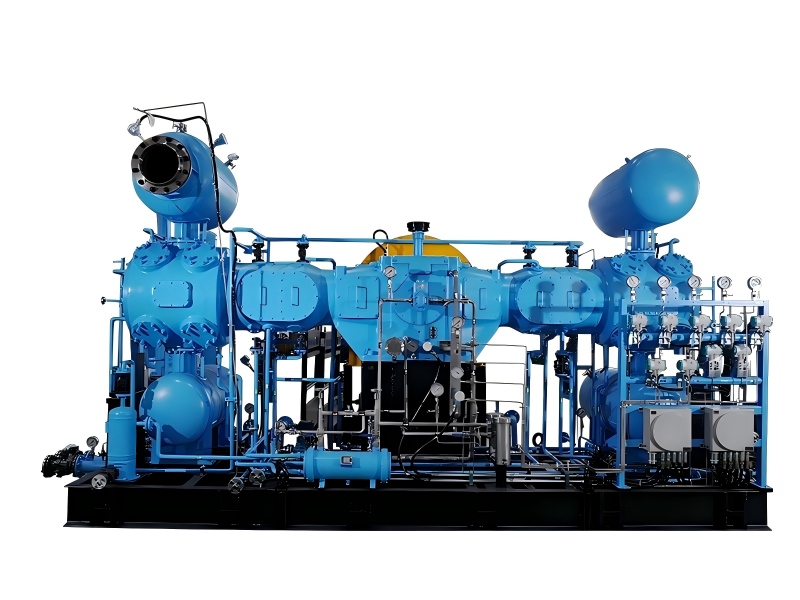
For applications where the gas must remain isolated from lubricating components, diaphragm compressors are worth considering alongside conventional piston-based solutions. The right choice depends on how the compressor needs to perform in the complete system, from the first compression stage to long-term maintenance and energy consumption.
Hydrogen compression requirements change considerably depending on where the compressor is installed. A unit positioned after hydrogen production may receive gas at a relatively low pressure and deliver it to purification or storage. A compressor in a storage or fueling system may instead operate across a substantially different pressure range and experience frequent changes in demand.
Hydrogen's low molecular weight also creates specific engineering challenges. Small molecules can make leakage control more demanding, while repeated pressure cycling places additional requirements on seals, valves, diaphragms and other components. As pressure increases, temperature management becomes increasingly important because compression generates heat that must be controlled within the allowable operating range.
Gas quality is another part of the equation. Hydrogen intended for a sensitive downstream process may have strict purity requirements, making the materials, lubrication strategy and gas-contact components of the compressor relevant to the overall system. A compressor should not be evaluated independently from the rest of the hydrogen process.
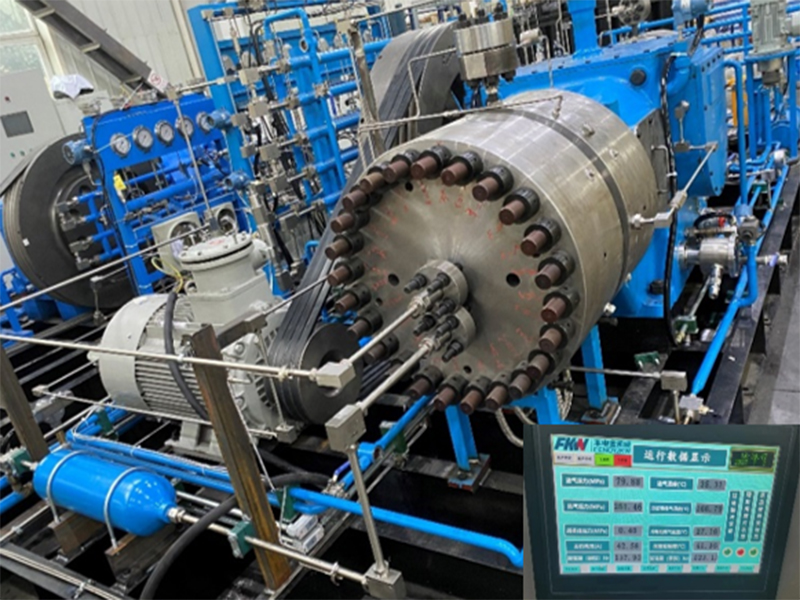
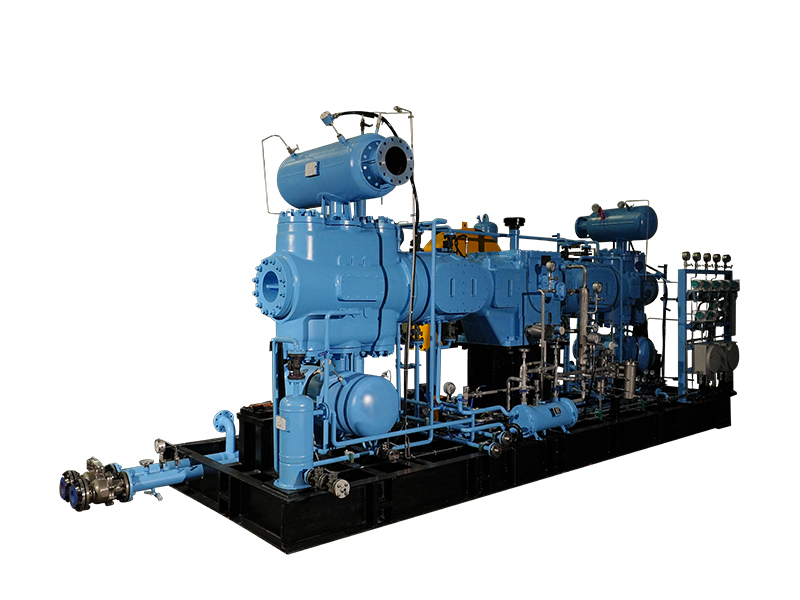
FKW Compressor supplies several compression technologies for demanding industrial gas applications. Reviewing the compressor solutions available from FKW can help put piston and diaphragm technologies into context, particularly when the application involves high pressure, gas purity or specialized process conditions.
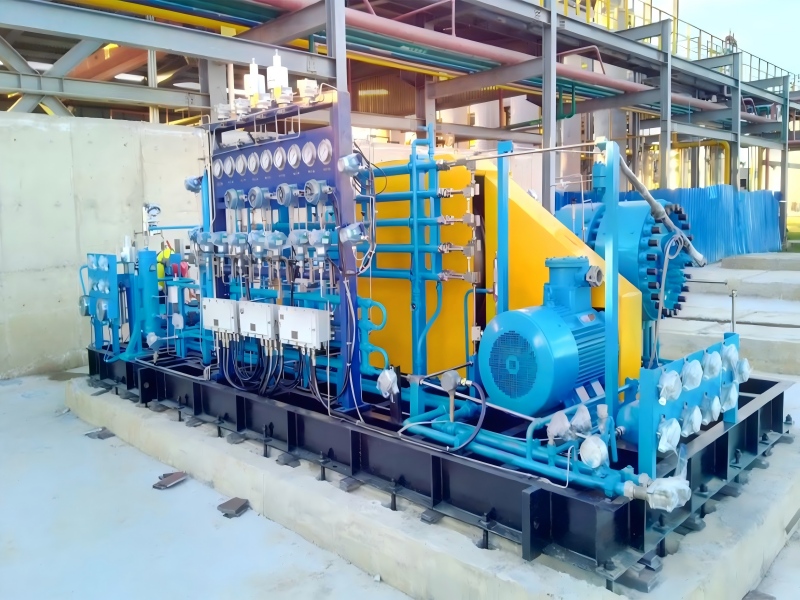
Pressure and flow provide the foundation for hydrogen compressor sizing, but using only one inlet pressure, one outlet pressure and one flow figure can hide important operating conditions.
A proper specification should distinguish normal operation from minimum and maximum conditions. For example, a hydrogen production system may generate gas at a variable rate, while a fueling application can experience short periods of high demand followed by much lower demand. The compressor must be able to respond to these changes without operating continuously outside its efficient range.
The pressure ratio also influences the compressor configuration. When the required pressure increase is substantial, dividing compression across several stages can help manage gas temperature and mechanical loading. Interstage cooling can then reduce the temperature of hydrogen before it enters the next compression stage.
Pressure should be identified clearly as absolute or gauge pressure. Flow should also be accompanied by its reference conditions where applicable. These details matter when comparing supplier datasheets because two apparently similar flow figures may represent different reference conditions.
For hydrogen compressor selection, it is therefore more useful to look at the complete pressure-flow envelope than a single maximum pressure. A machine that can technically reach the required pressure may still be poorly matched if it cannot operate efficiently at the project's normal flow or respond effectively to demand changes.
Hydrogen purity can be a decisive factor in compressor selection. The compressor is part of the gas path, so its sealing arrangement, materials and lubrication strategy can influence the quality of the hydrogen delivered downstream.
Conventional piston compressors can provide reliable hydrogen compression, but their sealing and lubrication systems need to be selected according to the required gas purity. Piston rings, packing, valves and other gas-contact components all have to perform reliably while limiting leakage and unwanted contamination.
Diaphragm compressors use a different approach. A flexible diaphragm separates the compressed gas from the drive mechanism, creating a physical barrier between the process gas and the lubricated side of the compressor. This design can be particularly attractive when hydrogen purity and gas isolation are high priorities.
FKW's diaphragm compressor technology is designed for applications where gas separation and contamination control are important. According to FKW's published product information, the diaphragm compressor uses a lubrication-free gas compression arrangement in which the compressed medium does not come into direct contact with lubricant.
This architecture can be useful in hydrogen applications where introducing lubricant into the gas stream is unacceptable. It does not, however, eliminate the need for detailed engineering review. The diaphragm, valves, seals, materials and pressure-containing components still need to be compatible with the actual hydrogen service.
Leakage should also be considered at the system level. Compressor connections, valves, seals, piping and instrumentation can all become potential leakage points. A reliable hydrogen compression system therefore requires more than a suitable compressor head; the complete gas path needs to be designed and tested for the intended pressure conditions.
Compression produces heat, and controlling that heat is an important part of hydrogen compressor design. As pressure increases through successive stages, the gas temperature can rise significantly if adequate cooling is not provided.
Multi-stage compression with intercooling can help manage this effect. After hydrogen leaves one compression stage, an intercooler can reduce its temperature before the gas enters the next stage. The exact cooling arrangement depends on the compression ratio, gas conditions, ambient environment and available cooling medium.
Temperature should be evaluated at the actual operating point rather than inferred from motor power alone. Discharge temperature and interstage temperature provide more useful information about the thermal behavior of the compressor and the demands placed on seals, valves and other components.
Energy efficiency also deserves attention. Motor rating indicates the available electrical power, but it does not by itself tell a buyer how efficiently the compressor performs the required compression duty. A meaningful comparison should consider energy consumption under the actual inlet pressure, outlet pressure and flow conditions.
This becomes especially important for hydrogen facilities that operate for long periods. Electricity consumption continues throughout compressor operation, so differences in efficiency can accumulate over the service life of the equipment. Cooling power and auxiliary equipment should also be considered when estimating the complete energy demand of the compression system.
Hydrogen infrastructure often depends on high compressor availability. If the compressor stops unexpectedly, the interruption may affect storage, purification, transportation or fueling operations downstream.
Maintenance planning should begin before the compressor is purchased. Valve service, sealing components, lubrication systems, cooling equipment and instrumentation can all influence maintenance frequency and downtime. The expected operating profile should be used when discussing service intervals rather than relying only on generic maintenance recommendations.
For diaphragm compressors, the diaphragm is one of the key components to evaluate. It repeatedly flexes under pressure while maintaining separation between the hydrogen and the drive side. Diaphragm material, design, monitoring and replacement procedures therefore have a direct relationship with long-term reliability.
Piston-based hydrogen compressors have their own maintenance considerations. Valve condition, piston sealing, packing and lubrication need to be managed according to the gas conditions and operating cycle. Because hydrogen leakage can be particularly challenging to control, deterioration in sealing performance should be detected before it develops into a larger operating problem.
Spare-parts availability should also be part of the supplier evaluation. A compressor may have attractive purchase economics but become expensive if critical components are difficult to obtain or specialized service requires long periods of downtime.
Supplier comparisons become much clearer when every manufacturer works from the same process information. A technical inquiry should provide hydrogen composition, required purity, inlet pressure, outlet pressure, normal and peak flow, inlet temperature and expected operating profile.
The supplier should then explain the proposed compression arrangement, including the number of stages, cooling system, sealing technology and expected operating range. For diaphragm compressors, the discussion should also cover diaphragm construction, gas isolation, monitoring and the expected service conditions.
| Selection Factor | What to Compare | Why It Matters |
|---|---|---|
| Pressure | Inlet pressure, outlet pressure and operating range | Determines the compression ratio, staging and mechanical requirements |
| Flow | Normal, peak and minimum flow conditions | Determines capacity and operating flexibility |
| Gas purity | Gas-contact materials, lubrication and sealing | Helps prevent unacceptable contamination |
| Leakage control | Seals, valves, connections and gas-path design | Important for hydrogen retention, safety and efficiency |
| Cooling | Intercooling, discharge temperature and cooling capacity | Controls thermal loading during compression |
| Maintenance | Valve, seal, piston or diaphragm service requirements | Influences availability and downtime |
| Lifecycle cost | Energy, maintenance, spare parts and service requirements | Provides a more realistic long-term cost comparison |
The table also shows why diaphragm compressors should not be compared with piston machines on pressure and flow alone. If gas purity and isolation carry substantial weight, the diaphragm architecture may provide advantages that are not visible in a basic capacity comparison. Where purity requirements are less restrictive, piston technology may offer a practical combination of capacity, control and maintenance characteristics.
FKW's experience with industrial gas compression allows the equipment discussion to extend beyond a single compressor type. Its portfolio includes piston, diaphragm, high-speed and hydrogen compressor technologies for different process requirements. The important point is not to select a particular technology simply because it is associated with hydrogen, but to determine whether its design matches the actual operating conditions.
The initial compressor quotation tells only part of the financial story. Electricity consumption, maintenance, spare parts, cooling requirements and downtime can all contribute significantly to the total cost of ownership.
Energy is particularly important when a hydrogen compressor runs continuously. The useful comparison is the energy required to achieve the specified pressure and flow under the project's expected operating conditions. Motor power alone does not provide enough information to make that comparison.
Maintenance has a similar long-term effect. A machine that requires frequent valve, seal or diaphragm replacement may generate higher operating costs even if its purchase price is competitive. On the other hand, a specialized compression technology may justify a higher initial investment if it reduces contamination risk or improves system availability.
Downtime should also be included. In a hydrogen production or fueling system, compressor availability can affect the utilization of the wider facility. Spare-parts supply, technical support and troubleshooting response are therefore commercial considerations as well as maintenance issues.
A realistic lifecycle comparison should consequently look at the equipment's expected operating hours, energy consumption, maintenance requirements, replacement components and service support. These factors provide a much clearer picture of the actual cost than the purchase price alone.
A strong hydrogen compressor specification starts with the gas. The hydrogen composition and required purity should be clearly defined, followed by inlet pressure, outlet pressure, flow rate and temperature.
The operating profile should identify normal, minimum and maximum conditions. If demand changes significantly during operation, the specification should explain the expected load pattern and required turndown. This information helps the supplier determine whether a particular compressor configuration can maintain stable operation across the full range.
Cooling requirements should also be addressed. The supplier should be able to explain the expected discharge and interstage temperatures and how those temperatures will be controlled. Where water or air cooling is required, the available site conditions should be included in the inquiry.
Leakage and purity requirements should be explicit rather than left to interpretation. If the application requires particularly clean hydrogen, the specification should identify acceptable gas-contact materials and the required separation between the process gas and lubricated components.
For projects considering diaphragm compressors, the specification should also describe the required gas isolation, pressure conditions and operating cycle. This gives the compressor supplier a sound basis for selecting the diaphragm construction and associated protection system.
Once these details are available, the supplier can respond with a technically meaningful proposal rather than simply recommending a machine based on maximum pressure. This also makes competing quotations easier to compare because each supplier is addressing the same operating requirement.
Hydrogen compressor selection is ultimately a balance between pressure, flow, purity, temperature, reliability and lifecycle cost. The compressor needs to perform within the actual operating envelope rather than simply satisfy a maximum pressure figure on a datasheet.
Piston-based compressors can provide an effective solution for many hydrogen duties when their sealing, lubrication and cooling arrangements are compatible with the process. Where gas isolation and contamination control are especially important, diaphragm compressors provide a different compression principle that can be well suited to high-purity hydrogen service.
The selection process should begin with accurate process data and continue through engineering review, performance validation and lifecycle evaluation. If you are comparing hydrogen compressor configurations, sharing the actual pressure, flow, purity and operating requirements with FKW's technical team provides a practical basis for determining which compression technology fits the application.
The main factors are inlet pressure, outlet pressure, flow rate, operating profile, hydrogen purity, leakage control, cooling requirements and maintenance conditions. Energy consumption should also be considered when evaluating long-term operating cost.
Hydrogen has a very low molecular weight and presents demanding sealing and leakage-control conditions. Compression also generates heat, so temperature management becomes an important part of the equipment design.
Yes. Diaphragm compressors can be suitable for hydrogen applications where gas purity and isolation are important. Their diaphragm separates the compressed gas from the drive mechanism.
Diaphragm compressors use a physical diaphragm barrier between the process gas and drive side, which can reduce the risk of lubricant entering the hydrogen stream. Suitability still depends on the actual pressure, flow, materials and operating conditions.
Intercooling removes heat between compression stages. It helps control hydrogen temperature and reduces the thermal load placed on the following compression stage and related components.
Ask each supplier to work from the same gas, pressure, flow and operating conditions. Compare compression configuration, purity control, leakage performance, cooling, energy consumption, maintenance, spare parts and service support rather than comparing purchase price alone.
 Call us on:
  Email Us:
  Collaborative Innovation Industrial Park, No. 130 Yinhe Road, Southeast Development Zone, Changshu, Jiangsu Province