
2026-08-04
Hydrogen compressor selection starts with the complete operating envelope, not a single discharge pressure. Electrolyzer output, trailer unloading, process recycle, recovery, storage and refueling applications impose different suction variability, purity, flow and cycling requirements.
Because hydrogen is light, flammable and prone to leakage, the package design must integrate materials, containment, ventilation, detection, controls and site standards.
| Parameter | Required detail |
|---|---|
| Gas | Composition, purity, moisture and contaminants |
| Suction | Minimum/normal/maximum absolute pressure and temperature |
| Discharge | Normal and maximum pressure, receiver or downstream behavior |
| Flow | Required basis: Nm³/h, kg/h or actual volume with reference conditions |
| Duty | Hours/day, starts, turndown, fill profile and standby |
| Site | Ambient, altitude, hazardous area, utilities and codes |
When requesting hydrogen compressor solutions, label pressures as absolute or gauge and state standard conditions for normalized flow. These two details prevent major sizing errors.
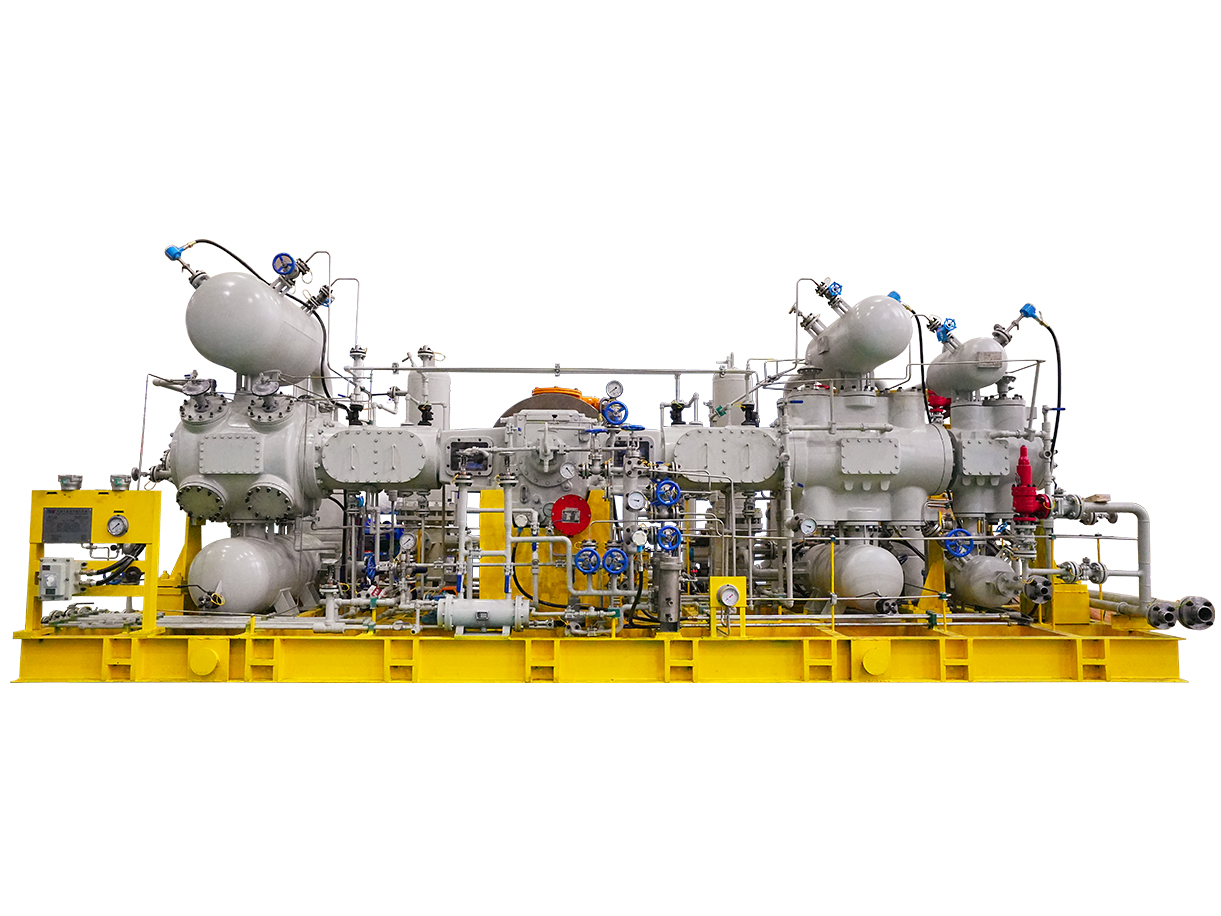
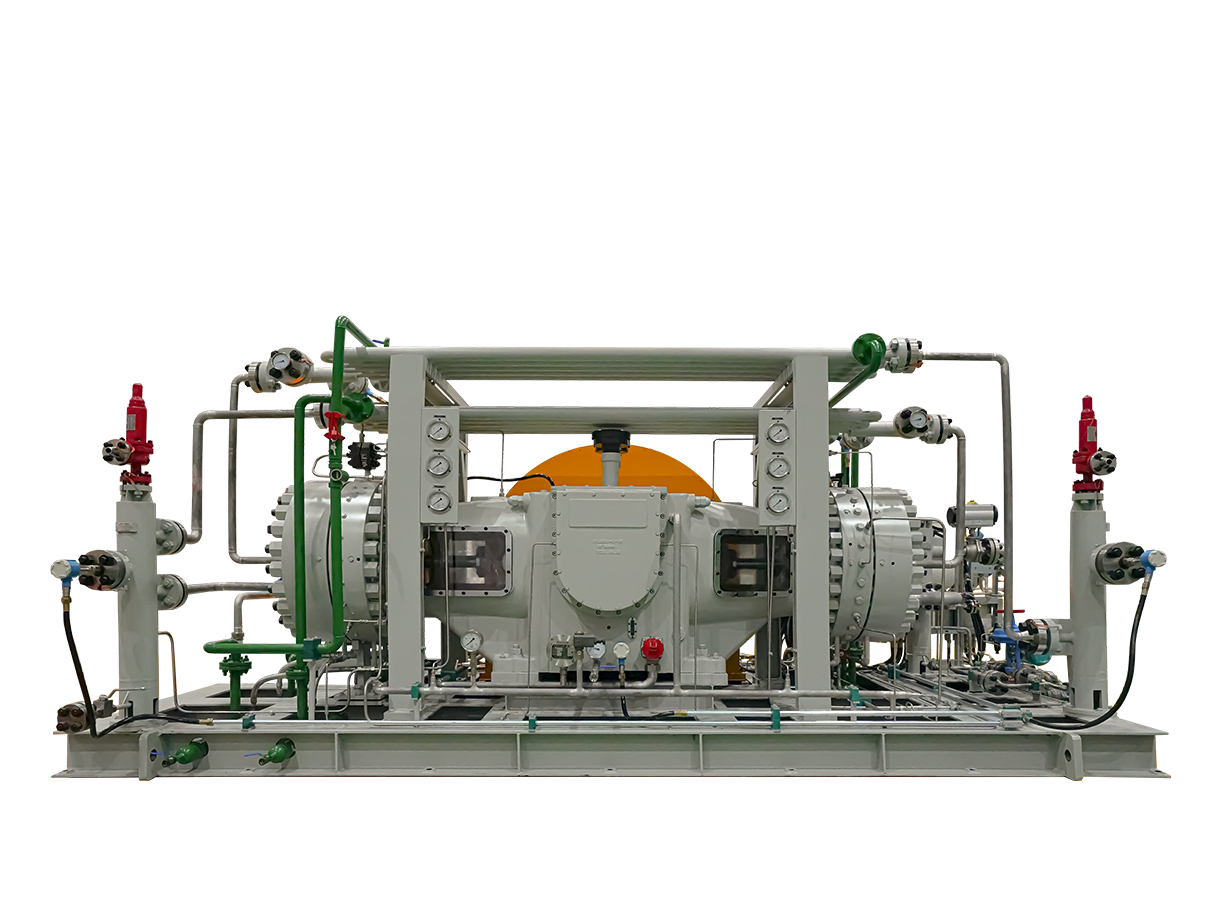
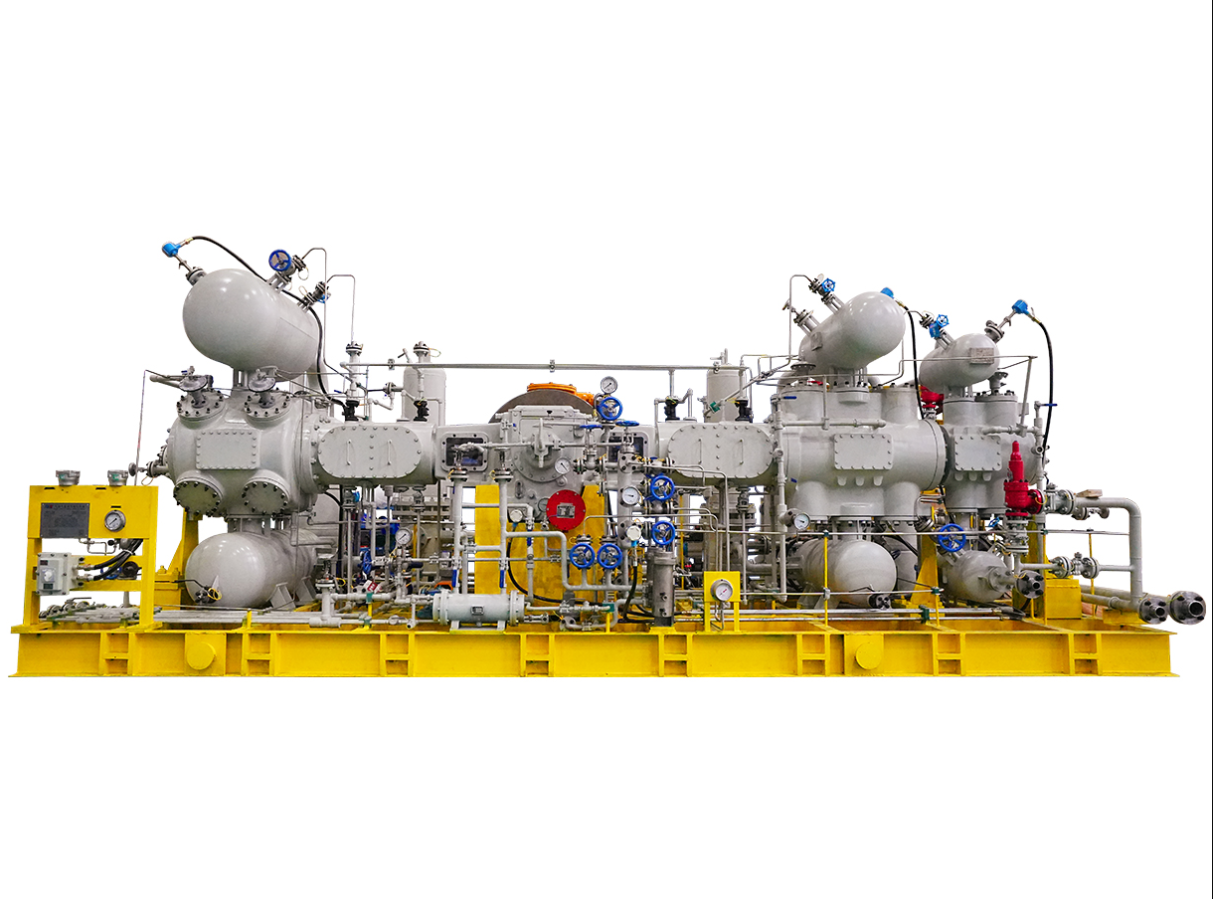
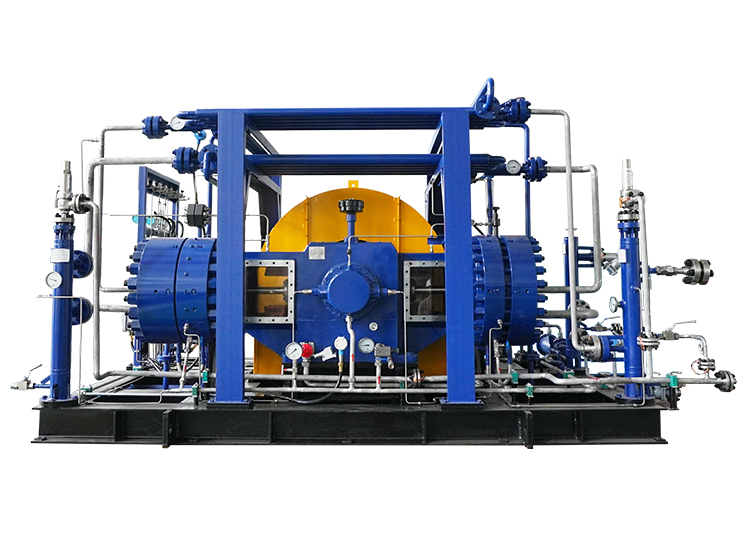
Diaphragm compressors are commonly evaluated for high-purity and leak-sensitive duties. Reciprocating piston compressors can suit higher-flow process service with a properly engineered packing, distance piece and lubrication arrangement. Other technologies may be appropriate at different flow and ratio conditions.
Do not select by technology name alone. Compare achievable capacity across the full suction range, discharge temperature, turndown, gas loss, purity, efficiency and maintenance.
Review pressure-containing materials for hydrogen compatibility at the specified strength and temperature.
Define seal, packing, diaphragm and valve materials from the actual gas composition.
Specify vents, drains, purge gas and routing to a safe system.
Set leak-detection locations, alarm thresholds and shutdown logic.
Coordinate package ventilation and hazardous-area equipment with site design.
Require traceability for critical pressure parts and controlled welding/NDE.
Hydrogen supply can vary as an electrolyzer ramps or a source vessel empties. A storage-filling duty also changes discharge backpressure over time. Provide the time profile so the supplier can evaluate capacity, power, stage ratio and temperature throughout the cycle.
Define how excess or insufficient flow is handled. Recycling hydrogen can waste power and add heat; frequent stopping may create a different maintenance burden.
Approve process datasheet, P&ID, layout, foundation and interface list.
Define pressure, leak, functional and performance test scope.
State the test gas and how results are corrected to guarantee conditions.
Review alarms, trips, emergency stop and communication interfaces.
Require material, NDE, calibration and final test records as applicable.
Agree on FAT witness points, preservation, commissioning and training.
Mass flow is unambiguous; normalized volume is also common when reference temperature and pressure are stated.
It changes pressure ratio, volumetric capacity, discharge temperature, power and possibly the number of stages.
Purity requirements determine the acceptable architecture. ‘Oil-free’ must be defined for the gas path and verified by design and testing.
Prepare a process datasheet with all operating points, gas composition, duty profile, site utilities, standards and package interfaces.
FKW Compressor can review hydrogen production, recovery, storage or refueling duties. Share the complete envelope and project code basis so the quotation defines performance, safety functions, testing and lifecycle support.
 Call us on:
  Email Us:
  Collaborative Innovation Industrial Park, No. 130 Yinhe Road, Southeast Development Zone, Changshu, Jiangsu Province